Cellars, garages and appurtenances: urban and land registry checks in Turin
by Santino Balistreri · · 5 minute read
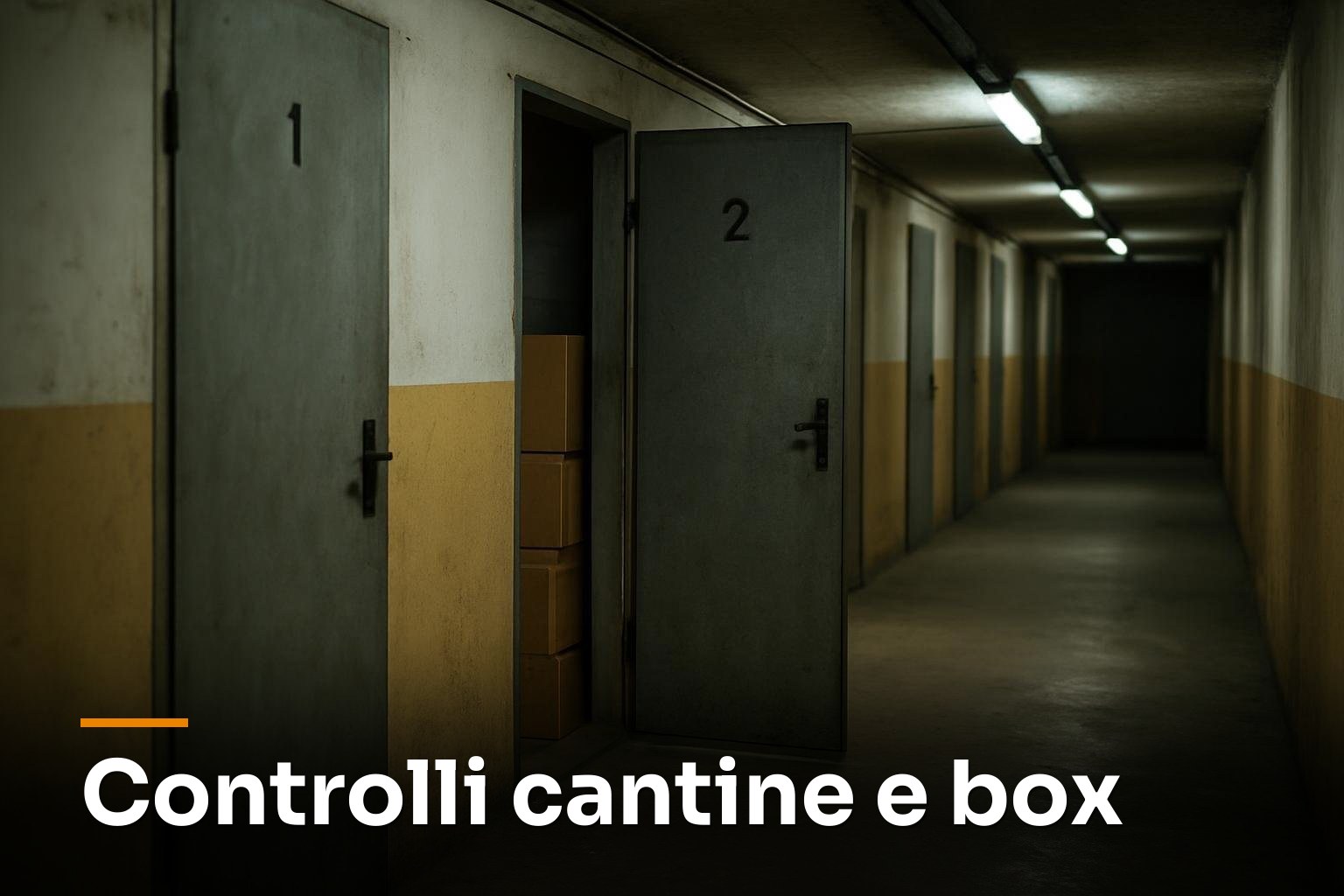
When buying a flat in Turin, cellars, garages and other appurtenances are often transferred together with the property. Checking cellars and garages in Turin is essential: permitted use, cadastral registration, floor plans and planning restrictions may render an appurtenance unusable for your intended purpose or incur expenses to regularise it.
In brief
- Check the land registry sheet and parcel of the appurtenance and its correspondence with the floor plan.
- Verify the permitted use: garage vs storage; cellar vs technical room.
- Ensure there are no municipal restrictions, easements or condominium rules limiting use.
- Request documentation from the seller and include clauses in the preliminary contract for regularisation.
What is meant by appurtenance and why it matters in Turin
An appurtenance is a space intended to serve the residence: cellar, garage, covered bicycle space. In Turin, where historic buildings and 1960s complexes coexist, the nature and practicality of these areas vary significantly by neighbourhood (San Salvario, Vanchiglia, Mirafiori, Borgo Po, etc.). Understanding the exact legal and planning status of the cellar or garage is crucial to avoid use restrictions or costs for compliance.
Land registry checks: what to ask for immediately
Before signing the preliminary contract, request from the seller or agency a copy of the land registry extract and floor plan of the appurtenance. Verify that the parcel matches the cellar or garage shown and that the cadastral category is correct (e.g. C/6 for cellars, C/6 or C/3 for garages, depending on the case). The cadastral income can also affect taxes and calculation of registration or inheritance tax.
Urban planning controls and permitted use
Urban planning use class defines what use is permitted in the space: a garage may be authorised as a car garage, while some storage areas in condominium parts may only be cellars. In Turin, underground spaces in protected buildings or historic centres may have special restrictions. Ask the Municipality, through urban planning certification (if available) or a technician, if the appurtenance complies with the original project and if any amendments have been issued.
Floor plan and physical correspondence
Compare the cadastral floor plan with the current state: cellars are often subdivided, merged or modified without registry updates. If the plan does not match the actual space, you may have to undertake a cadastral update or building amnesty, with varying costs and timelines. For multiple garages or uncovered parking spaces, check vehicular access and manoeuvring space, particularly relevant in Turin’s historic courtyards.
Condominium regulations and use of common areas
Read the condominium regulations: they often set rules on garage use (no workshops, no hazardous material storage) and cellar use (non-hazardous storage). Some regulations specify millesimal shares for appurtenances, affecting ordinary and extraordinary condo fees. In newly built or renovated central complexes, regulations may restrict appurtenance transformations.
Easements, restrictions and mortgages
Check mortgages and annotations at the Land Registry Office: a cellar or garage subject to a previous owner’s mortgage may be encumbered until debt extinguished. Also verify any easements – right of way, drainage servitudes, or third party rights – limiting use or access. Our Municipality may have particular restrictions in protected landscapes or listed buildings.
Practical cases and common risks in Turin
- Garage sold as garage but registered as cellar: may lack ventilation ducts or sufficient headroom for car use.
- Cellar used as workshop without authorisation: change of use requires system upgrades and permits.
- Appurtenances not recorded in the deed: you risk losing the right of use if not formalised.
How to protect yourself in the preliminary contract and at completion
Include clauses in the preliminary contract conditional upon the successful outcome of cadastral and planning checks (suspensive clause or right of withdrawal). Request delivery of cadastral extracts, floor plans, and certification of legal status; determine who pays for any regularisations. At the deed signing, verify that the deed specifies the transferred appurtenances and that the cadastral data match. For complex procedures, consider a preliminary technical consultation from a surveyor or architect.
Useful tools in Turin
You can request cadastral extracts online or by visiting the Provincial Office - Land Registry; for planning permissions, the SUAP/URP of the Municipality of Turin provides information on applications and urban plans. A check at the Land Registry verifying mortgage registrations completes the risk assessment.
Frequently asked questions
How do I know if a cellar is genuinely an appurtenance of my apartment?
Check the deed of origin and the cadastral extract: the appurtenance must be indicated in the sale deed or in the title that assigned it. If in doubt, a search at the Land Registry and an updated cadastral extract clarify ownership.
Can I convert a cellar into a workshop or commercial storage?
Not automatically: the conversion requires planning verification, system upgrades and often municipal permits. In listed buildings or those with restrictive condominium regulations, conversion may be prohibited.
What risks do I face if the garage shown does not match the cadastral plan?
You risk sanctions, the obligation to transfer ownership or regularise, and the possibility that the notary cannot correctly register the deed. It is therefore essential to resolve discrepancies before the deed signing or include clauses in the preliminary contract.
Who pays for regularisation if a defect emerges at the deed signing?
It depends on contractual agreements. In the absence of specific clauses, the responsibility remains with the seller if the defect pre-existed and was not disclosed; however, it is common practice to negotiate who bears the costs before the final signing.
Practical advice: before signing, obtain cadastral extracts and floor plans, check the condominium regulations and mortgage registrations, and include protective clauses in the preliminary contract. In Turin, where building styles vary by era and district, a targeted technical check avoids surprises and unnecessary expenses. If you want a prior document check or a technical opinion on the appurtenance you are interested in, contact us for a non-binding consultation.
Also read: Essential clauses in the preliminary contract e Quick guide to the deed signing in Turin to complete the purchase process.
Do you have questions on this topic or about your property?
Talk to us