How to choose the right district in Turin: practical criteria for buyers and investors
by Santino Balistreri · · updated on · 5 minute read
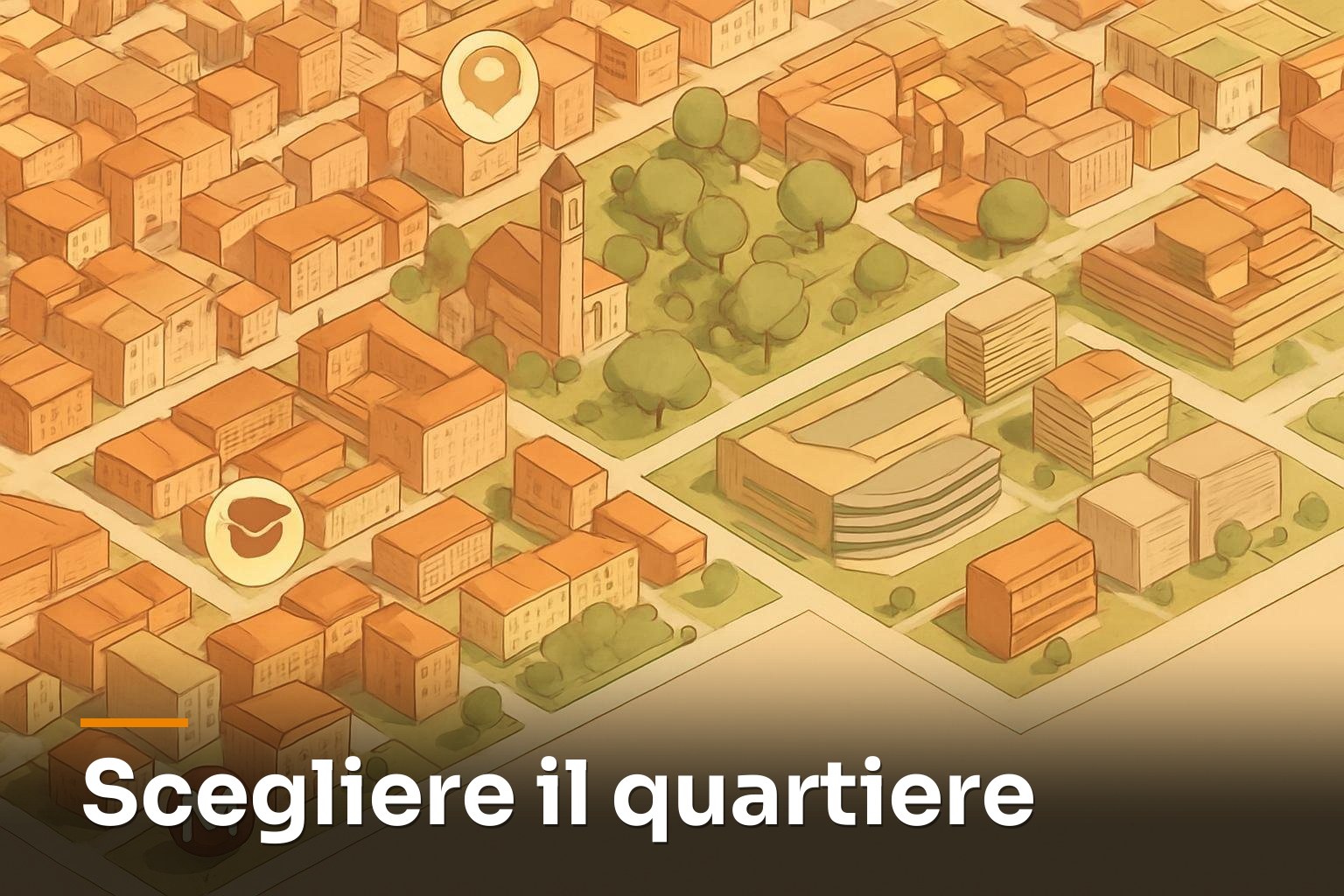
Choosing the right district in Turin means balancing everyday needs (work, school, services), quality of life and financial objectives: main residence, holiday home or investment. This article offers practical criteria applicable to key city areas, with concrete examples and advice for informed decisions.
In brief
- Define your objective: living, long-term renting or resale with capital gain.
- Check transport and commute times relative to your work or university campuses.
- Evaluate local services: supermarkets, schools, green areas and healthcare facilities.
- Analyse price per square metre and appreciation potential by comparing neighbouring districts.
Why the district matters: three concrete effects
In Turin, the district influences property value, costs and daily life. An apartment near a metro stop or university campus attracts tenants more easily and can maintain stable prices. Districts with established services (schools, supermarkets, clinics) reduce travel needs and increase family comfort.
Step 1: define the purchase objective
Before searching, ask yourself in Turin if you are buying to live, rent out or resell. Buyers prioritise schools, safety and urban quality for residence; investors focus on rental yields and demand (areas near universities or logistic hubs). The plan affects choices: a property in the Centre or San Salvario will have different demand than one in Lingotto or Mirafiori.
Step 2: evaluate transport and travel times
Calculate actual home-work time: in Turin a metro stop or main bus lines significantly reduce travel time lost. Also consider cycle paths, car sharing availability and train links for commuters to outskirts and province. Districts like Crocetta and Historic Centre are well served, while peripheral areas require a peak-time travel check.
Step 3: check services and urban quality
Visit the neighbourhood at different times and days: morning, afternoon, and evening. Check for supermarkets, pharmacies, medical practices, schools, and green areas. In Turin, for example, Borgo Po and Vanchiglia offer more greenery and walks along the Po; Aurora has famous markets but requires redevelopment in some areas; Lingotto and Santa Rita are convenient for those seeking recent services and commercial spaces.
Step 4: analyse prices, demand and capital appreciation potential
Compare the price per square metre in at least three nearby neighbourhoods and assess the trend over recent years without guessing figures: look at listings, actual sales, and consult local professionals. Neighbourhoods with public projects or regeneration works (urban redevelopment, new services) can offer potential for appreciation. For more detailed data on the real value of an apartment in Turin, refer to our dedicated guide on real value.
Step 5: rental demand and sought-after property types
If investing for rental income, check the type of demand: students and young couples prefer areas near the University and nightlife (San Salvario, City Centre, Vanchiglia); families look for two-bedroom apartments near schools and parks (Crocetta, Borgata Parella, Pozzo Strada); commuting workers favour areas with quick connections and parking (Lingotto, Mirafiori Nord). Also consider short-term rentals: proximity to stations or tourist attractions can boost revenue but requires active management.
Step 6: technical checks and tax planning
Beyond location, check the property's condition, condominium fees, and energy class. An energy-efficient property is more attractive on the market; if needed, you can prepare it with an energy assessment before selling or renting. Also remember to consider taxes and available incentives at the time of purchase.
Practical examples to navigate the city
- Historic Centre: high tourist and residential demand, excellent services, higher prices; suitable for those seeking income from short-term rentals or residence with services.
- San Salvario: lively, close to the University, ideal for young rental investments; watch out for street-by-street context quality.
- Crocetta and Borgo Po: mid-high range residential neighbourhoods, popular with families; good schools and green spaces.
- Lingotto and Santa Rita: mix of new builds and services, suitable for professionals and families seeking value for money.
- Peripheral areas (Mirafiori, Falchera): lower prices, potential if redevelopment projects exist, but assess local rental demand.
Useful tools and checks before deciding
Make at least three different visits, talk to neighbours, check municipal censuses and local urban plans to find out if public works are planned. Request land registry and mortgage checks; for value estimation, consult our guide on the real value of an apartment in Turin. If considering new builds, read information on the new-build market in the city.
Also read
Frequently asked questions
How can I tell if a neighbourhood is growing?
Look for concrete signs: open or approved construction sites, new commercial services, transport improvements, and increased supply of quality housing. Talking to local professionals and comparing average prices over recent years helps identify real trends.
Is it better to buy near a metro station?
Yes: proximity to a metro line or transport hub increases the property's appeal to tenants and buyers, reduces daily travel times, and often supports value over time.
How much does the presence of schools affect market value?
Quality schools are important for families and can increase demand in residential districts. For buyers seeking a family home, this is often a priority.
Is it advisable to buy in a tourist neighbourhood for short-term rentals?
It can be profitable but requires active management, compliance with local short-term rental regulations, and awareness of seasonality. Assess management costs, taxes, and expected real returns before deciding.
Practical advice: create a personal matrix (proximity to work, schools, services, price, growth potential) and assign different weights according to your priorities. Visit neighbourhoods several times and compare at least three similar properties to understand market prices. If you want a concrete valuation or a comparison between two specific Turin neighbourhoods, contact us for a no-obligation technical opinion.
Do you have questions on this topic or about your property?
Talk to us