Retail operations: how major deals change the local real estate market
by Santino Balistreri · · 4-minute read
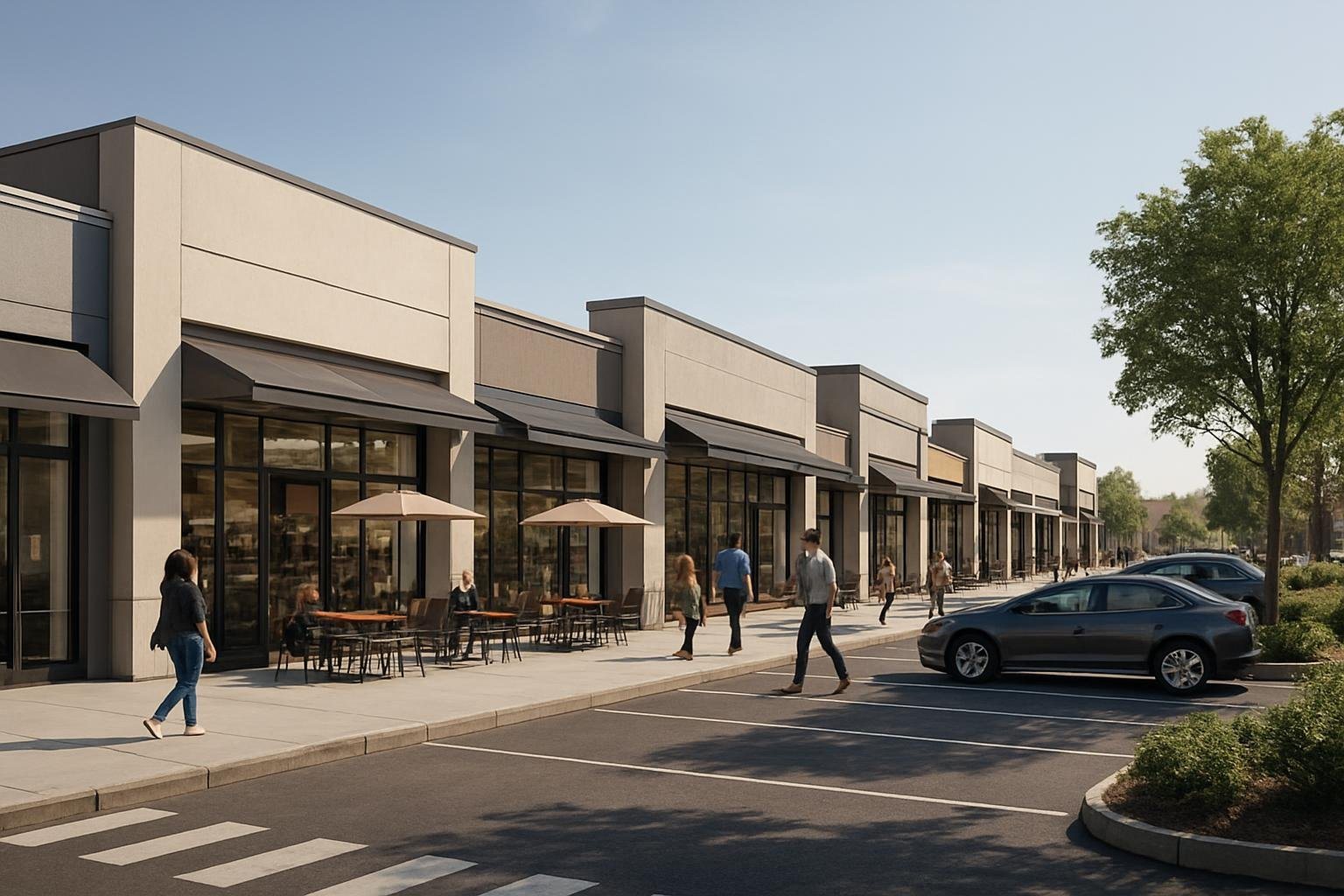
In recent years large-scale retail operations — acquisitions, portfolio integrations and repositioning projects of shopping centres — have had direct repercussions on the local real estate market. Also in Turin and the surrounding commercial belt, the strategic choices of operators influence space availability, rents, and the quality of supply: understanding these mechanisms is useful whether you are buying, selling or leasing a commercial unit or shop.
Retail operations: what changes in the local market
When a major operator acquires or takes control of shopping centres or galleries, the impact unfolds on several levels:
- Repositioning of the offer: refurbishment interventions (e.g. expansion of food & beverage, new service areas, façade renewals) increase the centre's attractiveness and draw different brands, affecting the tenant mix and customer flows.
- Pressure on rents and yields: an operator with greater investment capability tends to stabilise expected returns but can also raise rents in high-demand areas, creating a polarisation between prime centres and secondary retail.
- Availability of spaces: transactions that consolidate assets can lead to a redistribution of availability: some centres are revitalised, others deprioritised or repurposed for alternative uses.
- Chain effects on the territory: a revitalised centre attracts traffic benefiting nearby shopping streets and services; conversely, abandonment or reduction of activity penalises entire districts.
Why these dynamics matter if you are buying or selling property
If you own commercial premises, are an investor or a private individual interested in a shop, bar or restaurant unit, retail operations influence your property's real value. A repositioned centre can create additional demand for nearby properties but may also increase investment requirements (renovations, system upgrades) demanded by interested brands.
For tenants, larger managers often introduce stricter selection criteria (image, commercial mix, guarantees), while promoting long-term contracts with national operators. This means greater stability but also higher barriers for new local businesses.
Specific implications for Turin and the commercial belt
In the Turin context, with both large commercial hubs and neighbourhood urban fabric, the effect of retail operations on a regional scale materialises concretely:
- Anchor centres: strengthening a provincial centre attracts visitors from multiple municipalities and may reduce spending frequency in small urban centres, impacting local shops.
- Transport and parking: greater attractiveness means need for connections and parking; municipalities may need to consider infrastructure and mobility to manage flows.
- Reuse of secondary spaces: where some galleries lose appeal, opportunities arise for conversion to services, urban logistics hubs, co-working or cultural spaces, provided there is coordinated public and private governance.
Signs to monitor
- Which operators are investing in the region and their strategies (refurbishment, expansion, consolidation).
- Types of tenants attracted (food, entertainment, services) indicating a repositioning.
- Trends in rents and local vacancy rates reported in OMI updates and market analyses.
- Infrastructure or urban planning interventions announced by the Municipality – often essential to support new traffic volumes.
To deepen understanding of land values and rents in city and province, consulting updated OMI reports and local real estate market indicators is useful.
How to navigate: practical advice for owners, tenants and investors
- Premises owners: consider targeted investments (shopfront, systems, accessibility) to remain competitive; diversifying the offer and aiming for flexible contracts can reduce prolonged vacancy risk.
- Aim for compatible tenants: study the commercial mix of the reference centre and propose solutions aligned with trends (e.g. spaces for food delivery, small experiential areas).
- Investors: consider the gap between prime and secondary centres; high relaunch investments may require a medium-to-long-term perspective to realise returns.
- Tenants/startup retail: negotiate clauses providing trial periods, initial incentives and flexibility on sizes and layouts to limit initial risk.
If you want to check how a major retail operation in the region might affect the value of your property in Turin or its surroundings, review the latest OMI update and compare it with local trends by area. For example, the OMI report provides useful parameters for comparing rents and prices.
In conclusion, retail operations reshape the local commercial ecosystem: they create opportunities for those ready to invest and adapt, but also raise quality standards to remain competitive. If you want a practical and personalised valuation of your commercial property in Turin or neighbouring municipalities, contact us for a technical and strategic opinion.
Do you have questions on this topic or about your property?
Talk to us