Why buy a mountain rustic property: practical guide
by Santino Balistreri · · 5 minute read
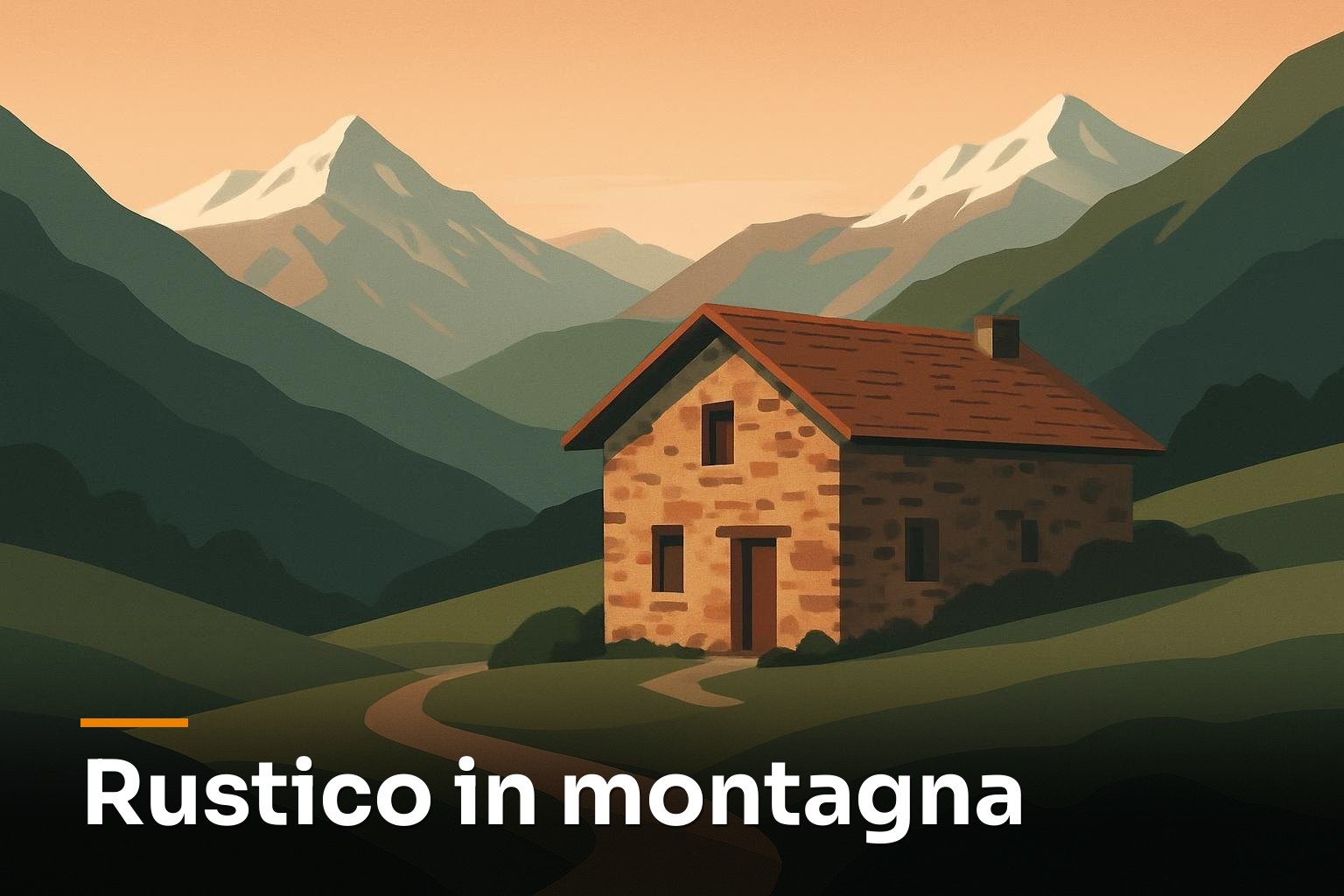
Buying a farmhouse in the mountains often means seeking nature, peace, and a personal space to transform. In Turin and the Lanzo Valleys many look for this type of property as a second home, for tourist rentals or a lifestyle change: here are concrete benefits, risks to evaluate and a useful checklist of requests to include in listings or ask the seller.
In brief
- Benefits: nature, tranquility, possibility to personalise the property and income from tourist rentals.
- Essential checks: ownership certificate, mortgage searches, land use and winter accessibility.
- Costs: assess structural condition, systems, insulation and roads; always include a renovation cost estimate before making an offer.
- Area: the Lanzo Valleys offer picturesque villages and panoramas, but accessibility can vary greatly between hamlets.
Why choose a farmhouse in the mountains
A mountain rustic property is more than real estate: it's a refuge from city chaos, a space to slow down and reconnect with nature. In Turin and the Lanzo Valleys many buy rustic properties for weekends, as an investment for seasonal rentals or for gradual relocation. The typical structure allows you to customise interiors, restore original materials and create unique spaces rarely found in urban settings.
Practical benefits for buyers
Creative freedom is a major benefit: you can redefine spaces to suit personal taste, insulate the building with modern techniques or retain rustic finishes. Economically, a well-renovated rustic property in a tourist area can generate income through short-term rentals; alternatively, it maintains value as a safe asset. Moreover, quality of life can improve: clean air, views and outdoor activities (hiking, cross-country skiing, mountain biking) offer tangible benefits for families and enthusiasts.
Risks and costs to consider
Before purchase it is essential to evaluate the property's condition: roof, walls, foundations, presence of damp, and the state of systems (electrical, heating, water). In the mountains, insulation and seismic upgrading are often needed: costs may be significant. Winter accessibility and proximity to services (pharmacy, shops, emergency room) affect usability. Also check for historical or landscape restrictions limiting modifications.
Essential bureaucratic checks
Requesting documentation is mandatory: cadastral survey and updated floor plan, certificate of land use, any building permits or amnesty permits, and Energy Performance Certificate (APE) if available. It's useful to verify mortgages and encumbrances with the land registry; if the rustic property is in a village with restrictions, inquire at the relevant Municipality. For major works, a Building Compliance Report (RRE) or specific permits may be required.
How to estimate renovation works
Request multiple quotes and a detailed estimate: demolitions, roof replacement, structural reinforcement, thermal insulation, systems, doors and windows, and finishes. If you plan to use tax deductions or incentives, assess available benefits and payment planning; regulations may influence the choice of priority works. A practical guide on useful bonuses can be found in the local article on renovation deductions (Renovation Bonus in Turin).
Questions buyers ask: compiled requests
Anyone looking for a mountain rustic property almost always asks practical and everyday use information. Here is a list of standard queries sellers should include in the listing or provide on request:
- Condition of the roof, beams and supporting structure.
- Presence of heating system and type (wood, gas, heat pump) and possibility to connect to methane gas or LPG.
- Winter accessibility: municipal road, snow, presence of snowploughs and nearby parking.
- Nearby services: shops, doctor, pharmacy, summer/winter public transport.
- Utility connections: water, sewage, electricity and phone/Internet coverage.
- Any landscape restrictions or municipal renovation limitations.
- Current expenses (IMU, any condominium or village contributions) and recent average consumption if available.
How to request the owner's name and sales information
It is legitimate to request the owner's name for formal checks: survey, contacts for appointments and available documentation. A professional listing should include the contact person’s name (owner or agent) and a contact number. If you are a buyer, always ask: full name of the owner, a copy of the seller’s identity document for the future contract, and the list of available cadastral and urban planning documents. If not provided, request them via the agency or before making a binding offer.
Evaluating the area: the case of the Lanzo Valleys
The Lanzo Valleys offer spectacular landscapes and picturesque villages, with several hamlets immersed in greenery. Depending on location, daily life varies: some hamlets are well connected and popular with tourists, others are more isolated and require good autonomy. Consider your priorities: proximity to services or absolute tranquility? In summer many areas are very appealing to hikers, while in winter road management becomes crucial.
Practical advice to proceed
- Visit the property in different seasons, especially in winter, to check access and livability.
- Request a technical survey before making binding offers: it is inexpensive compared to avoided risks.
- Obtain detailed renovation quotes and assess completion times and possible tax incentives.
- Ensure the seller provides the owner’s name and full documentation for cadastral and mortgage checks.
Frequently asked questions
How much does it cost to renovate a rustic property in the mountains?
Costs vary greatly: they depend on structural condition, size and quality of finishes and systems. Before considering figures, request appraisals and several detailed quotes to avoid surprises.
Can a rustic property be rented as a holiday home?
Yes, many rustic properties in tourist areas are used for short-term rentals, but it is necessary to check local regulations, system and safety requirements, and assess market seasonality.
Which bureaucratic checks to carry out before purchase?
Check land registry records, mortgages, land use, building permits and any restrictions. If necessary, request a Building Compliance Report to clarify the planning status.
Why is the owner's name important?
The name allows legal and registry checks and facilitates negotiations: without the seller’s name it is difficult to obtain official documents and proceed securely to completion.
Buying a rustic property in the mountains can be an exciting project but requires care: technical assessments, work estimates, document checks and consideration of seasonal accessibility. If you wish, we can help verify documents and prepare a request list to send to the owner for a safer negotiation. Contact us for practical advice with no obligation.
Do you have questions on this topic or about your property?
Talk to us