Flood risk and certifications: practical checks before buying in Turin
by Santino Balistreri · · 5 minute read
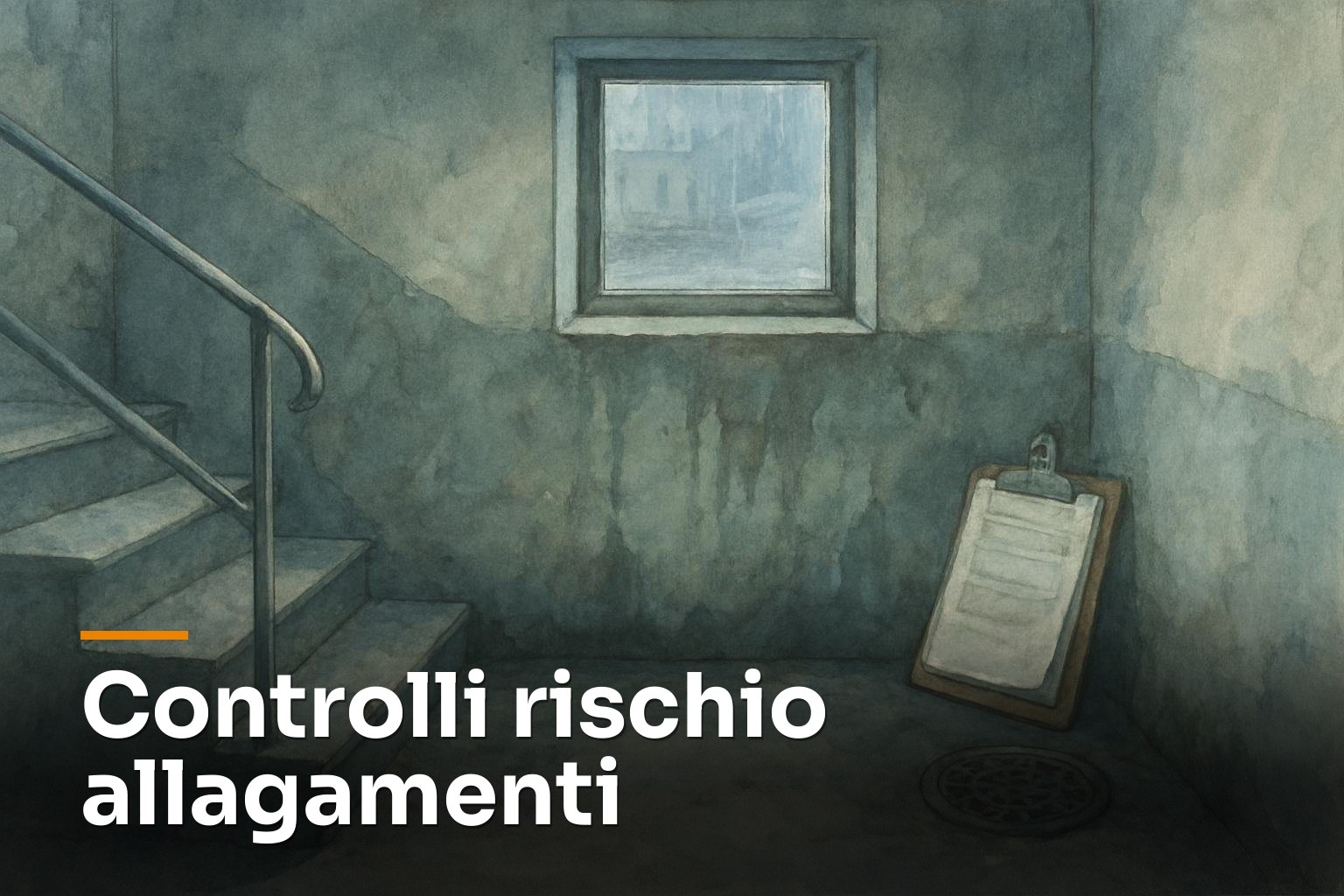
Buying a home in Turin today requires greater attention to flood risk: extreme weather events and local hydrogeological issues can affect the property's value and the ability to obtain a mortgage or insurance. Here is a practical checklist of certifications and checks to carry out before signing, with examples applied to Turin neighbourhoods most at risk.
In brief
- Check the hydrogeological and flood risk classification in the PAI or municipal plan (Turin Municipality).
- Request technical documentation from the seller: compliance certificates for systems and any reports of flooding or restoration.
- Check existing insurance coverage and obtain quotes for water and flood damage.
- Inspect cellars, basements and electrical systems for signs of damp or recent restoration work.
Why it is important to assess flood risk in Turin
In Turin many historic areas and zones along secondary watercourses may be subject to localised seepage and flooding during heavy rain. The risk is not only physical: it affects market value, insurance costs and extraordinary maintenance obligations for common areas. Furthermore, some banks require hydrogeological context information to grant mortgages.
Administrative checks and certifications to request
Before proceeding, ask the seller or estate agent for these official documents and checks:
- Extract from the civil protection plan or municipal risk plan: in Turin the municipal technical office or official website provides hydrogeological risk maps and indications on hazardous areas. Ask which risk band applies to the property.
- Updated land registry extract and floor plan: useful to understand if semi-basement rooms or cellars are registered as appurtenances and if there are any irregularities that may complicate prevention measures.
- Any flooding reports or compensation claims: ask if the property has suffered flooding in the past and obtain documentation on repairs and waterproofing works.
- Technical certifications for systems: compliance of electrical and heating systems is vital after a flood event; request declarations of conformity and recent maintenance records.
Physical inspection: what to look for in the property and building
A thorough visit can reveal signs not shown in the documentation. Check below ground level: cellars, garages and technical rooms are first affected. Look for damp stains on walls, peeling plaster, persistent mould smell, recent painting that may conceal issues. Verify that window frames and external door thresholds are properly raised and that condominium drains are working.
If the property has underfloor heating or electrical meters in basements, assess the cost of possible repositioning. In neighbourhoods like Barriera di Milano or Mirafiori, where local flooding occurs, pay particular attention to lower floors.
Insurance policies: what to ask and how to read the clauses
Not all home insurance policies cover flood or overflow damage: before buying, request a copy of the active policy and check if damage from water, flooding, groundwater rise or mudflow is included. If the property is in a risk area, obtain at least two additional quotes to compare limits, deductibles and excesses. Also consider coverage for common areas damage if buying in a condominium: in some cases, restoration costs significantly impact the co-owners.
Economic and contractual assessment
Including contractual guarantees in the purchase offer protects the buyer. You can request a suspensive clause linked to the outcome of technical checks or the ability to obtain a policy under reasonable conditions. Requesting a technical survey or a hydrogeological consultation can be useful when the seller cannot provide full guarantees. If you plan to rent out the property, flood risk also affects rental yield and contract management.
If buying in a risk area: useful preventative measures
- Install entrance doors with raised thresholds and drain protections.
- Waterproof cellar and garage walls and consider external drainage channels.
- Move electrical meters and critical outlets to higher levels when possible.
- Plan an emergency kit and condominium procedures for managing floods.
Useful Links
For land registry and appurtenance checks, see our guide on Cellars, garages and appurtenances: urban and land registry checks in Turin. If you are considering cheaper areas outside the centre, see the guide on Turin suburbs can help you balance risk and price.
Frequently asked questions
How can I understand if the area is prone to flood risk?
Request the hydrogeological risk maps from the Municipality of Turin or consult the technical office for the area's classification: these maps indicate hazard zones and recorded historical events. A surveyor can then assess the specific risk for the property.
Does a standard policy cover flood damage?
Usually not: many standard home insurance policies exclude flood and inundation damage or include them with high deductibles. Always read the exclusions and request a specific clause for damage from rainwater, flooding, or rising groundwater.
Is the deed of sale sufficient to prove there were no floods?
No. The deed of sale does not always document previous events. Ask for reports, photographs, and repair invoices and, if necessary, an expert report certifying the absence of structural damage or leaks.
What can I negotiate if the property has had floods in the past?
You can negotiate a price reduction, the inclusion of seller guarantees on the repairs carried out, or a clause making the contract conditional on obtaining an insurance policy on fair terms. Always consider an independent survey.
Practical advice: before signing, collect all written statements from the seller, obtain a survey if there are doubts, and request comparative insurance quotes. If you wish, we can review the property's documentation in Turin together and highlight the priority checks for the area. Contact us for a non-binding technical and real estate opinion.
Do you have questions on this topic or about your property?
Talk to us